

How to Implement Adobe Journey Optimizer: A 7-Step Process
What an AJO implementation requires
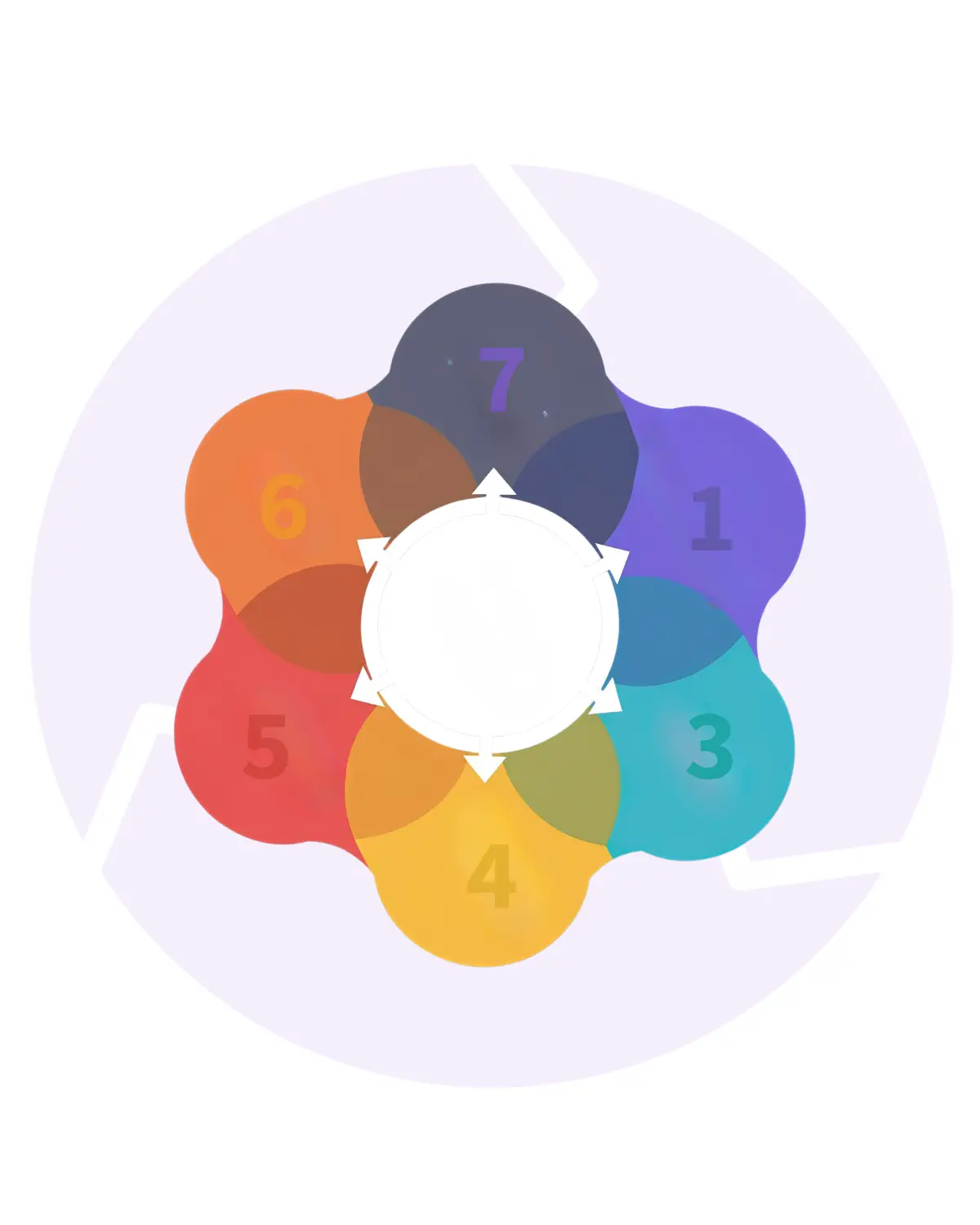
Adobe Journey Optimizer (AJO) is a powerful platform designed to deliver real-time, personalized customer journeys across channels. However, implementing AJO effectively requires a strategic approach that aligns your business objectives with the platform’s capabilities. At Leadous, we’ve developed a proven seven-step process to ensure that our clients not only implement AJO successfully but also unlock its full potential to drive real-time customer engagement.
In this blog post, we’ll break down our seven-step AJO implementation process and show how Leadous helps businesses make the most of this transformative tool.
Adobe Journey Optimizer technical readiness checklist
- Access and sandboxing: Permissions and environments are ready.
- Identity design: Namespaces and identity rules are documented.
- XDM schemas: Required profile and event fields are configured.
- Datasets and Profile: Data relationships and Profile settings are validated.
- Ingestion: Batch and streaming sources are tested.
- Events: Trigger payloads and deduplication rules are defined.
- Audiences: Qualification, exclusions, and re-entry rules are tested.
- Channels: Channel configurations and owners are established.
- Consent and governance: Preferences, labels, and suppression rules are enforced.
- Decisioning: Eligibility, ranking, constraints, and fallback logic are defined.
- Test profiles: Required scenarios and edge cases are represented.
- QA: Journey paths, personalization, timing, and errors are tested.
- Monitoring: Outcomes, failures, and alerts have owners.
- Release control: Pilot, approval, rollback, and launch monitoring are defined.
Verify the technical foundation in Adobe’s documentation for AJO data-engineering setup, test profiles, and consent management.
The seven-step AJO implementation process
Step 1: Discovery and Requirements Gathering
The first step in any successful AJO implementation is to understand your business goals, customer journey needs, and existing marketing infrastructure. During the discovery phase, we work closely with your stakeholders to identify key objectives, pain points, and opportunities for improvement.
Key Activities:
- Stakeholder alignment to understand business objectives and target audience.
- Auditing your current marketing stack, customer data sources, and CRM systems.
- Defining the primary use cases for AJO, focusing on customer journeys, real-time decisioning, and personalization.
“Understanding our clients’ unique needs is crucial to designing an AJO strategy that delivers real-time, personalized engagement,” says Tracey Ellis, CEO of Leadous.
Step 2: Data Strategy and Integration
Data is the backbone of any successful AJO implementation. At this stage, we help you map out the data sources that AJO will leverage, such as CRM data, customer behavior analytics, and third-party data. We then integrate these sources into Adobe Experience Platform (AEP) to create a unified customer profile.
Key Activities:
- Mapping customer data sources (CRM, CDP, web analytics).
- Creating Experience Data Model (XDM) schemas to standardize data for real-time use.
- Setting up data ingestion pipelines to bring your data into AEP and harmonize it for accurate customer insights.
Step 3: Journey Orchestration Design
Once your data is in place, we focus on designing the customer journeys that will drive personalized engagement. Using AJO’s journey mapping tools, we create customer journeys that reflect your business goals, with real-time decision-making integrated at key touchpoints.
Key Activities:
- Designing personalized customer journeys with clear entry and exit criteria.
- Setting up event triggers based on customer behaviors, such as purchases, website visits, or app interactions.
- Incorporating AJO’s AI-driven decision engine to tailor experiences in real-time.
Step 4: AJO Configuration and Implementation
In this phase, we configure the AJO platform to meet your business needs. This includes setting up segmentation rules, journey builders, and cross-channel integrations to ensure seamless message delivery across all touchpoints.
Key Activities:
- Creating dynamic customer segments based on real-time and historical data.
- Configuring AJO’s Journey Builder to automate customer journeys at scale.
- Integrating messaging channels (email, SMS, push notifications) for a cohesive customer experience.
Step 5: Testing and Optimization
Before full deployment, we rigorously test the customer journeys using AJO’s simulation tools to ensure the logic, timing, and personalization are functioning as expected. This phase also includes A/B testing to compare the effectiveness of different content, decision strategies, and channels.
Key Activities:
- End-to-end testing of customer journeys using AJO’s simulation tools.
- Setting up A/B tests within journeys to measure the impact of content and timing.
- Implementing a feedback loop to monitor performance and adjust strategies as needed.
Step 6: Deployment and Scaling
Once testing is complete, we proceed with a phased deployment of your customer journeys. We typically start with a pilot launch to a subset of your audience, closely monitoring performance before scaling up to your entire target audience.
Key Activities:
- Pilot deployment to gather insights and monitor performance.
- Full-scale rollout of customer journeys across all channels and segments.
- Providing training and enablement for your marketing and operational teams to manage AJO independently.
Step 7: Performance Monitoring and Continuous Improvement
The final step is continuous optimization. We set up custom reporting dashboards in Adobe Analytics and AJO to track key performance indicators (KPIs) such as engagement, conversion rates, and customer lifetime value. By regularly analyzing these metrics, we help you refine and optimize your customer journeys over time.
Key Activities:
- Defining and tracking KPIs that align with your business goals.
- Setting up real-time reporting dashboards for ongoing performance monitoring.
- Implementing iterative improvements based on data-driven insights.
How Leadous supports AJO implementation
At Leadous, we don’t just implement AJO—we ensure that it’s customized to meet your business needs and maximize its impact. From data integration to journey design and optimization, our team of certified Adobe experts will guide you through every step of the process to ensure a smooth and successful implementation.
“We make sure our clients get the most out of AJO by focusing on their specific business objectives and providing continuous support throughout the journey,” says Ellis.
Frequently asked questions
What does an Adobe Journey Optimizer implementation require?
An AJO implementation requires defined business use cases, XDM schemas and datasets, identity strategy, profile-enabled data, event and audience design, channel configuration, consent controls, test profiles, QA, measurement, and clear operational ownership.
What are the seven steps in an AJO implementation?
The seven steps are discovery and requirements gathering; data strategy and integration; journey orchestration design; AJO configuration and implementation; testing and optimization; deployment and scaling; and performance monitoring and continuous improvement.
What data foundation is needed for AJO?
Teams need identity namespaces, XDM schemas, datasets, ingestion sources, profile enablement where required, and event payloads that support the journey entry conditions, personalization, audiences, and reporting use cases.
How should AJO journeys be tested before launch?
Teams should use controlled test profiles and test mode to validate journey entry, branching, timing, personalization, channel delivery, consent behavior, suppression rules, error handling, and reporting before publishing.
Should an AJO implementation launch all journeys at once?
No. A phased launch is typically safer. Start with a defined pilot audience and measurable use case, validate production behavior, then scale additional audiences, channels, and journey patterns through governed release cycles.
Plan your AJO implementation
In a related post, we’ll explore real-world success stories from businesses that have implemented Adobe Journey Optimizer with Leadous’ guidance. Stay tuned for insights into how AJO has transformed customer engagement for brands across industries.
Interested in learning more about how Leadous can help you implement Adobe Journey Optimizer?
Review Adobe Journey Optimizer, compare Marketo Engage and AJO, or explore our Platform Strategy, Selection & Readiness support. Contact us today for a consultation and see how we can take your customer journeys to the next level.